


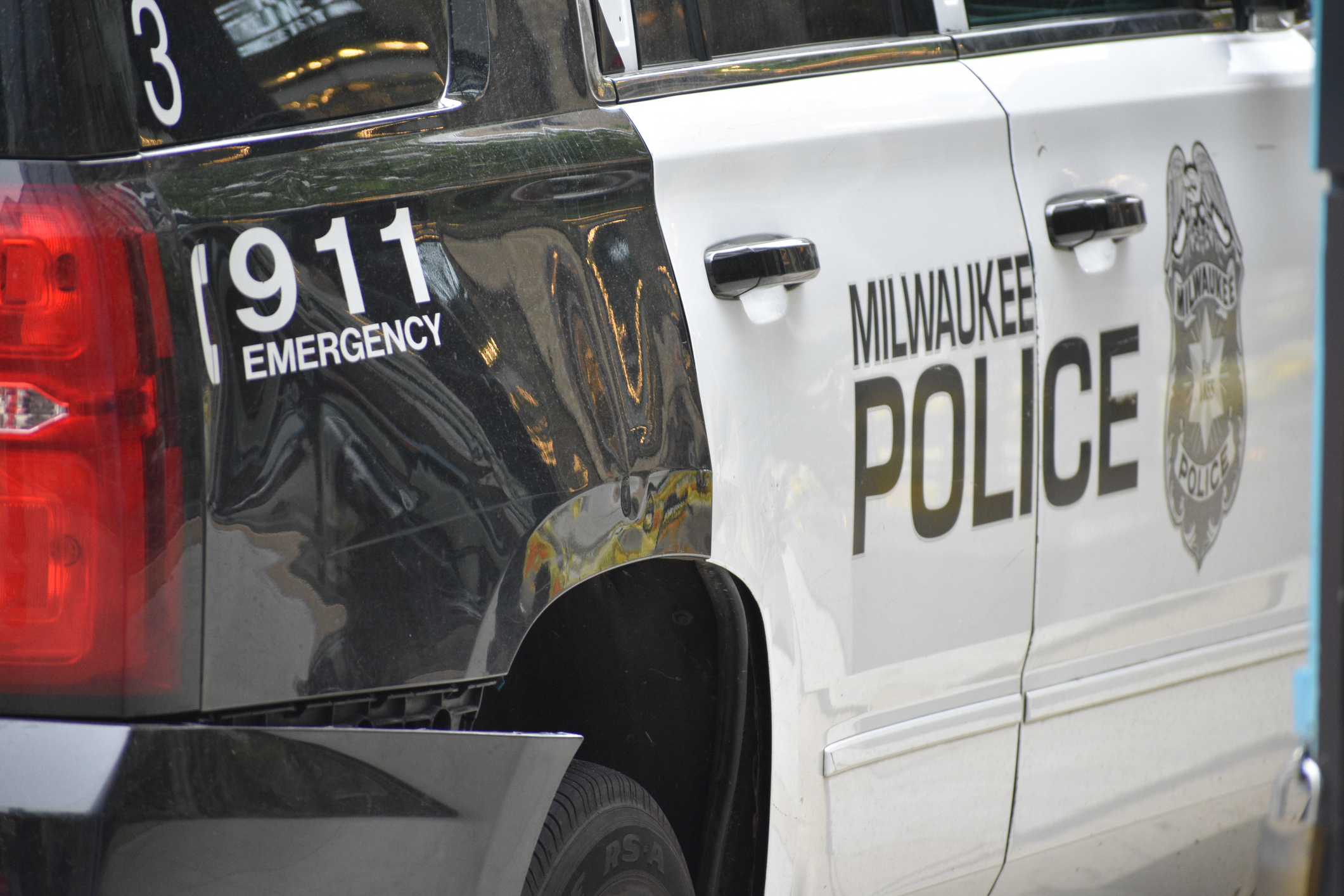
In a familiar debate that highlights the tension between public safety and risk management, some Milwaukee leaders are once again advocating for stricter limits on police pursuits, effectively moving toward a no-chase policy for many situations. This latest effort, advanced by the city’s Fire and Police Commission, recommends barring officers from chasing drivers who flee a traffic stop and drive recklessly, and requiring termination of pursuits that heighten danger to the public.
The proposals come amid ongoing concerns over the dangers of high-speed chases, particularly after a deadly 2025 in which nine people were killed during pursuits, many involving reckless driving. Proponents argue that alternatives like better identification and later accountability can address violations without the risks.
Milwaukee Police Chief Jeffrey Norman, however, has firmly rejected the recommendations. In a memo sent to the commission, he stated that the department is not inclined to revise its current standard operating procedure (known as SOP 660) at this time, citing extensive prior reviews, public input, and best practices.
State Senator Van Wanggaard weighed in sharply on the issue, in his X post: “Proof that ‘Good ideas come and go, bad ideas stick around forever.’ Some Milwaukee leaders are AGAIN pushing a no-police-chase policy. Good for Chief Norman for saying NO.”
The senator’s comment highlights the frustration among law enforcement supporters that restricting pursuits has been tried before with mixed results and often resurfaces despite evidence of its limitations in deterring dangerous drivers. Milwaukee’s pursuit policy has evolved over the years, including recent adjustments that already limit chases for speeding alone.
As the Fire and Police Commission and potentially the Common Council consider next steps, the standoff reflects deeper questions about balancing officer discretion, community safety, and the realities of crime on city streets. Chief Norman’s stance maintains the current framework for now, prioritizing enforcement against reckless behavior that endangers Milwaukee residents.
This recurring debate ensures that the conversation around effective policing in high-crime areas remains front and center.
