


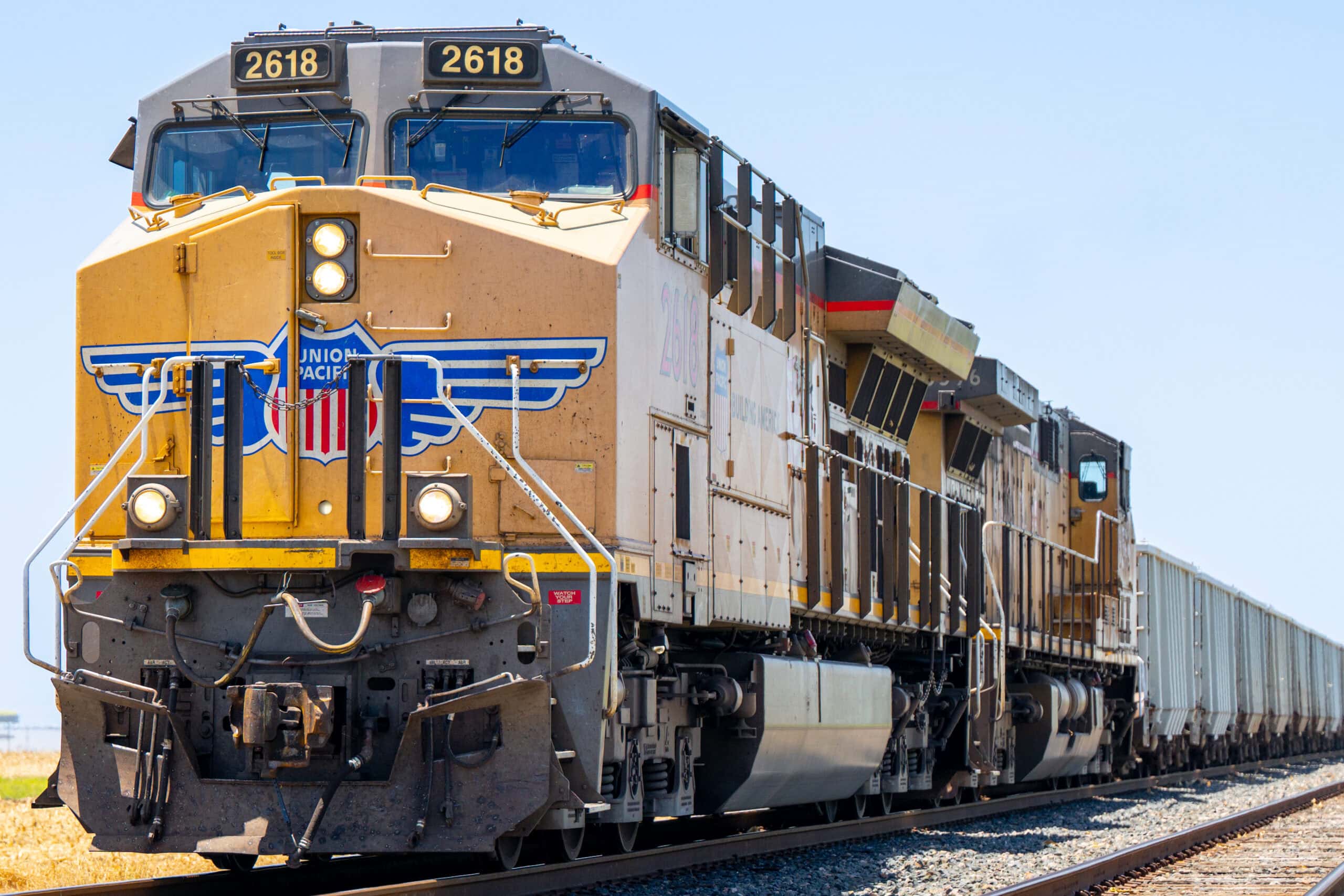
Fifteen years after Gov. Scott Walker rejected more than $800 million in federal stimulus funds for a high-speed rail line between Milwaukee and Madison, Wisconsin Democrats are making the project a central issue in their 2026 gubernatorial campaigns.
State Sen. Kelda Roys, D-Madison, a gubernatorial candidate, has called Walker’s decision a “catastrophic error” that damaged the state’s connectivity and economic growth. Recently, Roys posted a video on Facebook stating: “As governor, I will connect Madison and Milwaukee with Minneapolis and Chicago by passenger rail, increasing mobility and opportunity for workers, businesses, and tourism throughout the state.” These echo Kelda’s previous promises from previously failed campaigns.
Other Democratic candidates have expressed similar support. A May 1, 2026, Milwaukee Journal Sentinel report highlighted widespread support among Democratic gubernatorial hopefuls for restoring or expanding Amtrak service along the corridor, calling it an overdue infrastructure investment.
This rhetoric mirrors the 2010 strategy that Walker, then Milwaukee County executive and Republican candidate for governor, successfully campaigned against. At the time, the Obama administration awarded Wisconsin $810 million in federal funds as part of a broader stimulus package to build a “high-speed” passenger rail line.
Walker argued the project was a fiscal boondoggle. While construction would be mostly federally funded, he cautioned that the state would face millions in annual operating subsidies, maintenance costs, and debt service long after the federal funds ended. Estimates at the time ranged from $750,000 to $8 million per year for taxpayers, depending on ridership and federal contributions. Walker maintained that the funds would be better allocated to roads, bridges, and other statewide priorities. Additionally, he noted that the proposed route would not achieve the promised high speeds due to its path through suburban and exurban areas, resulting in longer travel times than driving and a lack of a convenient drop-off station in Madison.
Walker made this issue a campaign cornerstone, even launching a website called NoTrain.com. His Democratic opponent, then-Milwaukee Mayor Tom Barrett, supported the rail project. Walker defeated Barrett decisively, carrying the state by a comfortable margin. Polls at the time indicated that statewide opposition to the rail plan increased during the campaign, with many voters outside the Milwaukee-Madison corridor viewing it as a taxpayer-funded benefit for two Democratic strongholds.
After taking office in 2011, Walker returned the federal funds and halted construction. This decision drew national criticism from rail advocates and Democrats, who accused him of rejecting “free money.” Supporters argued that similar high-speed rail projects, particularly in California, have experienced significant cost overruns and require substantial ongoing subsidies, supporting Walker’s concerns. More than 25 years later, California’s promise of high-speed rail remains a pipe dream, as cost estimates have risen dramatically from the $33 billion approved in 2008 to between $126 billion and $231 billion, depending on the plan.
In November 2025, Walker reiterated his position when Madison officials proposed a new downtown Amtrak station. On Facebook, he called it “a dumb idea” and stated he was “right to kill this idea years ago.” Roys and others argue the same talking points as in elections past, and critics note that ridership projections for the original project were modest and that Amtrak service in Wisconsin has historically required subsidies. No comprehensive, up-to-date cost-benefit analysis that accounts for inflation, maintenance, and potential state operating costs has been publicly detailed by current proponents.
The revival comes as Wisconsin faces budget constraints, property tax pressures, and competing infrastructure needs. Republicans, who control the Legislature, have shown little appetite for new rail spending. Conservative lawmakers and fiscal watchdogs argue that the state should prioritize roads, bridges, and practical transit improvements over costly passenger rail projects that have failed to deliver promised returns elsewhere.
For now, the 2010 strategy has returned. Whether Wisconsin voters, who previously rejected it, will support it in 2026 remains uncertain. Walker’s stance, once criticized as shortsighted, is increasingly seen as an example of a politician declining federal funds tied to long-term taxpayer commitments.
