


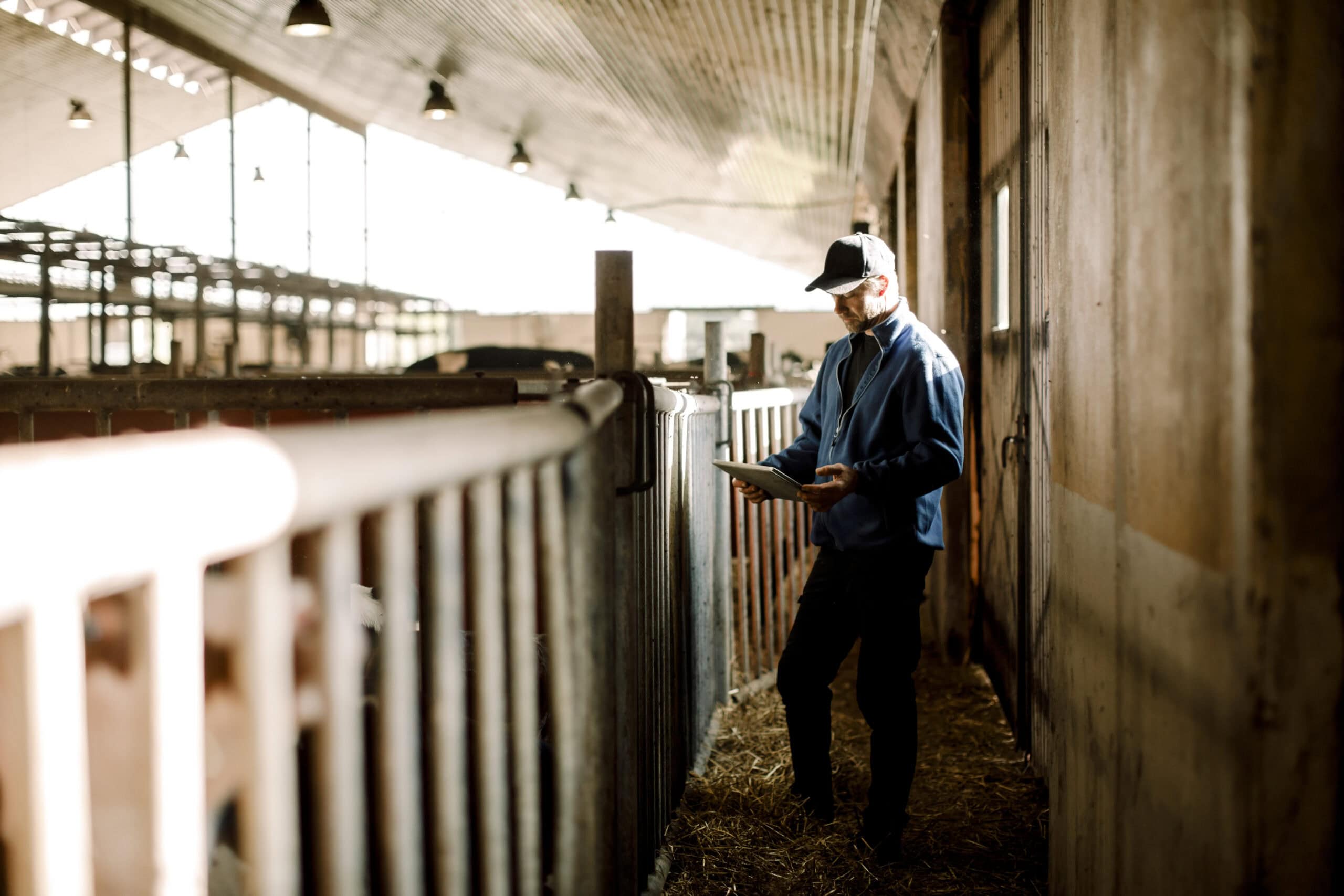
Wisconsin’s agricultural sector remains a crucial part of the state’s economy generating billions in economic activity. However, family farmers (particularly dairy operators) are facing unprecedented financial pressure. Rising input costs, stagnant or declining commodity prices, and regulatory compliance demands from both state and industry agencies have squeezed profit margins, contributing to significant farm losses (15-25%) over the past two decades. Small and family-owned farms have been hit especially hard, even though they still make up roughly 95% of all agricultural operations in the state. The most current USDA Census of Agriculture data shows Wisconsin still had about 58,000 family-owned farms. Smaller operations have steadily exited while larger farms have expanded.
One Wisconsin dairy farmer, Abby Swan (@DevaCowlover on X), recently highlighted how these pressures manifest in everyday operations. In a widely shared post reacting to a Hoard’s Dairyman announcement about the FARM ES (Environmental Stewardship) platform, Swan wrote: “Well fellow dairy farmers… the climate police have struck again! The next ‘voluntary’ FARM program called ‘sustainability’ is being implemented by our milk processor! I’m sure this is going to boost farmer income insert sarcastic laugh!”
Swan’s frustration is widely shared among farmers statewide. Major processors are rolling out enhanced sustainability tracking – often tied to national initiatives like the U.S. Dairy Net Zero efforts – requiring detailed data on herd management, feed practices, energy consumption , and environmental metrics. The National Milk Producers Federation (NMPF) says it’s voluntary and “industry-led,” however participation is effectively mandatory for farmers who want their milk accepted. Farmers who do not comply could lose access to major milk buyers and processors. Swan and others say these requirements create more paperwork, force farmers to invest in new tracking systems or equipment, and increase operating costs, all without any promise they will earn more money for their milk.
Operational Costs Crushing Margins
Wisconsin farmers are confronting a perfect storm of rising costs: fuel, fertilizer, seed, labor, and machinery costs have climbed significantly higher in recent years, exacerbated by turbulent global events, inflation, and supply-chain issues. For grain farmers, USDA projections for 2025 showed corn and soybean prices falling below Wisconsin break-even levels – roughly $4.65/bushel for corn and $10.80/bushel for soybeans versus projected market prices around $3.90 and $10.00, respectively – pointing to negative margins.
Dairy farmers face similar problems. For years, the price farmers receive for their milk has often been too low to cover the rising costs of feed, fuel, equipment, labor, and other farm expenses. Many farms need to earn roughly $20 to $25 per hundred pounds of milk just to break even, depending on how much debt they carry, but milk prices have frequently fallen below that level. Farmers have responded by delaying equipment upgrades, reducing herd sizes in tough periods, or exiting altogether. The state has lost thousands of dairy farms over the past two decades, continuing a long-term trend of larger farms and corporate operations acquiring smaller family-owned farms.
Recent geopolitical tensions, such as conflicts affecting fuel and fertilizer markets, have only exacerbated these problems. Many producers report operating on razor-thin or negative profit margins while dealing with higher interest rates on operating loans and debt.
Regulatory Overload: Thousands of Rules on the Books
Wisconsin’s expansive regulatory environment adds another layer of problems for our Farmers. The Wisconsin Administrative Code contains over 165,000 regulatory restrictions (13th most regulated state in the country), with the Department of Natural Resources (DNR) alone accounting for more than 55,000. The Department of Agriculture, Trade and Consumer Protection (DATCP) and other agencies add tens of thousands more. These cover everything from nutrient management and water quality to livestock facility siting, Concentrated Animal Feeding Operations (CAFO) permits, and environmental compliance.
Farmers must navigate state rules alongside federal requirements and now processor-mandated programs like FARM ES. Local ordinances can add further complexity, though a few state laws like the Livestock Facility Siting Law and Right-to-Farm statutes aim to provide some uniformity and protection. Critics argue permits, paperwork, reporting requirements, data tracking, and costly equipment upgrades, take farmers’ time and money away from actually running and improving their farms.
Abby Swan’s experience with the sustainability data requirements illustrates how private-sector mandates layered on top of government regulations can feel like another form of “regulation” without legislative accountability. Farmers who already practice conservation (no-till, cover crops, manure management, etc.) are now asked to document and report it extensively, often at additional cost.
Impacts on Family Farms and Rural Communities
The combination of high costs and regulatory demands is accelerating the loss of family farms, particularly in western, central, and northeastern Wisconsin, negatively impacting local economic activity and putting pressure on rural communities. Agriculture still supports hundreds of thousands of jobs directly and indirectly, but the human toll – long hours, financial stress, and uncertainty – is significant.
Some advocates are pushing back. Groups like Heartland Impact have engaged with farmers like Swan to explore legislation modeled on “Farmer Protection Acts” passed in neighboring states, aiming to shield producers from certain regulatory overreach or nuisance lawsuits.
Many are leaders in sustainable practices and efficiency. However, without meaningful relief on input costs, cutting regulations and policies that address production costs, the farm losses will continue.
Abby Swan and thousands of Wisconsin’s farmers want the ability to operate profitably without being buried in regulatory burdens and rising costs that threaten their livelihoods.
