


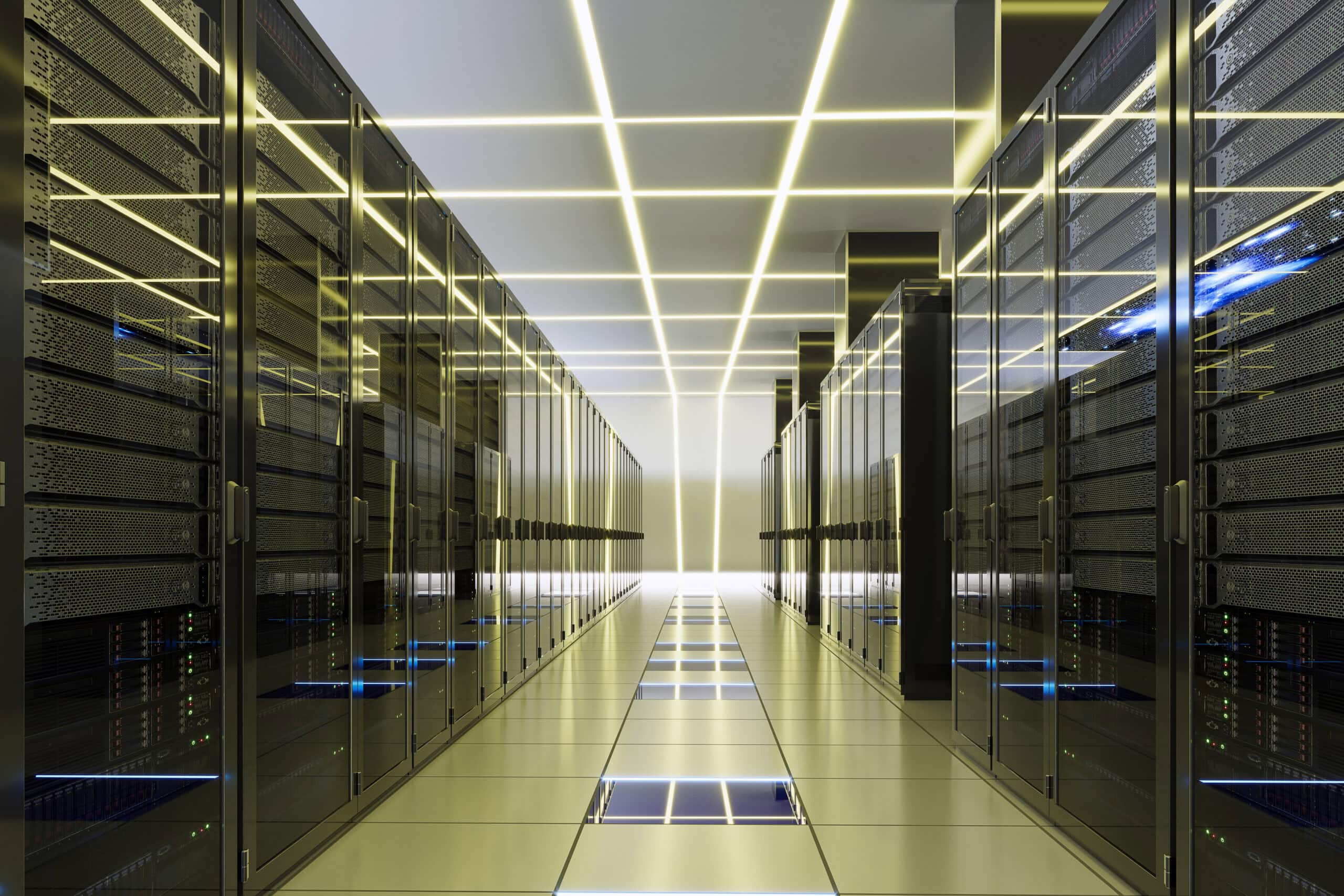
The $15 billion Lighthouse data center campus planned for Port Washington has run into a significant delay on the transmission lines needed to power it.
American Transmission Company (ATC) first applied in 2025 to build the major power lines the project requires, with an estimated cost of $1.3–1.6 billion. In August 2026, the Public Service Commission unanimously rejected the application’s “completeness” status. Commissioners said the plan had become a moving target after hundreds of changes were submitted after the original filing, and they closed the case without ruling on the merits.
ATC refiled a revised application in mid-September 2026. The new plan is substantially more expensive. It’s now estimated at $2.5–2.7 billion depending on the route and includes additional voltage-stabilization facilities. The review process has restarted from the beginning.
Independent analysis suggests partial power could still arrive in late 2027, with full capacity around October 2028. A longer review, however, could push full capacity into 2029. Vantage Data Centers has maintained that it is still targeting a 2028 opening.
Project Background
The campus is being developed by Vantage Data Centers for Oracle and OpenAI as part of the broader Stargate AI infrastructure initiative. It will consist of four large buildings totaling about 2.5 million square feet. Local officials approved a development agreement with Vantage in August 2025 after months of public discussion, along with data center-specific zoning. Site preparation and construction began in late 2025.
The project is expected to generate more than 4,000 construction jobs (many of them union jobs) and more than 1,000 permanent on-site jobs once operational, plus thousands of indirect jobs in the area. Vantage is covering infrastructure costs up front and will be reimbursed over time from the property taxes the project itself generates. The city has stated that residents will not bear the project’s costs and that the investment should help rebalance the local tax mix, in which residential properties currently carry a large share of the burden.
Separately, the first phase of the campus is expected to need roughly 1.3 gigawatts of power. In April 2026, the Public Service Commission approved a modified rate structure for very large customers. Commissioners rejected a proposal that would have spread some of the costs of new generation plants to ordinary ratepayers and instead required data centers to cover 100% of the costs of dedicated generation and related fuel. We Energies has said data center customers will pay for the infrastructure they require. A separate pending arrangement involving Oracle and the Point Beach nuclear plant could further limit costs to other customers.
Bottom Line
The data center project itself has local approval and is already under construction, with the promise of thousands of jobs and no direct cost to local taxpayers. The main holdup right now is getting the power lines approved. Until that process is finished, the timeline for when the campus can fully open remains uncertain.
