


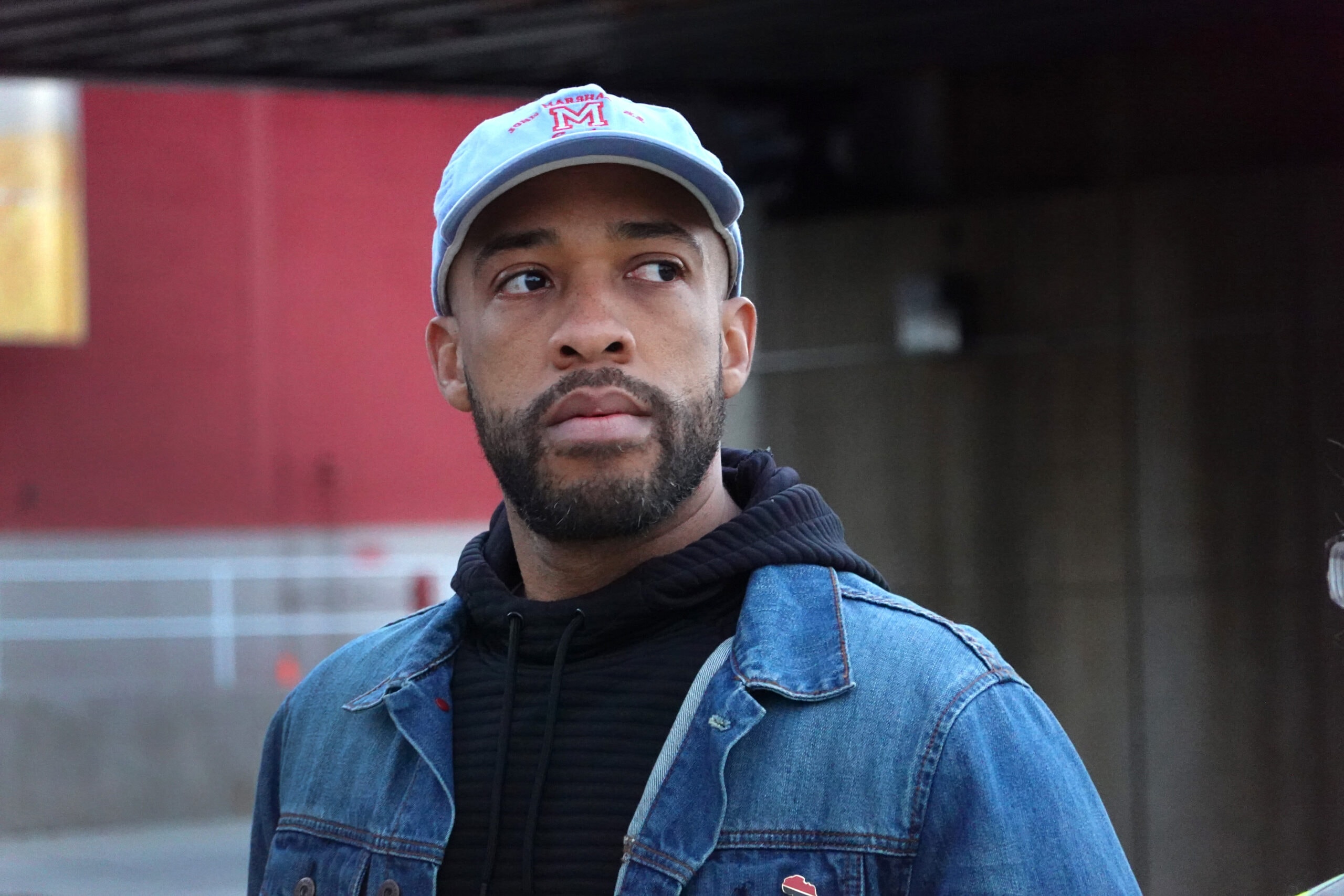
Former Lt. Gov. Mandela Barnes, and current Democrat gubernatorial challenger, says his time chairing Wisconsin’s Governor’s Task Force on Climate Change is what “single-handedly” separates him from the rest of the Democratic primary field.
But there’s one glaring problem with that argument: Barnes can’t actually name a single thing that his task force accomplished.
In a recent interview with The Eagle Herald, a Marinette-based publication, Barnes pointed to his experience as Lt. Governor as what sets him apart in a crowded Democrat primary. Chief among Barnes’s accomplishments as Lt. Governor, he says, was his tenure chairing the Governor’s Task Force on Climate Change, whose 115-page report was published in December of 2020.
The task force ultimately produced 55 policy recommendations to be implemented through executive action, agency directives, the 2021-23 state budget, or legislation. But when Barnes was asked in 2022 to name a single recommendation that had actually been implemented, he awkwardly stumbled through his answer before telling the audience he would “need to get back to you.”
To our knowledge, he never did.
The 32-member task force, chaired by Barnes, advanced a sweeping list of climate and energy proposals that critics argued mirrored elements of the national “Green New Deal” movement. Among its recommendations were proposals to prohibit the development of new fossil fuel infrastructure in Wisconsin, including new coal-fired power plants and pipelines.
The report — which opens with a land acknowledgment — also called for mandatory diversity, equity, and inclusion training for state employees, the creation of an Office of Environmental Justice, and racial disparity studies tied to development projects.
The panel additionally pushed for updates to Wisconsin’s commercial building code that would impose new green construction mandates on builders and developers. Critics warned the changes would significantly increase the cost of housing, commercial development, and infrastructure projects across the state.
Republicans have long argued that the recommendations advanced by Barnes’ climate task force would increase costs across virtually every sector of the economy. Restricting future energy infrastructure development, they contend, would drive up prices at the gas pump and contribute to higher utility bills for Wisconsin families already struggling with inflation and rising energy costs.
The renewed scrutiny surrounding the task force comes as Barnes attempts to reinvent himself before Wisconsin voters following his U.S. Senate loss to Sen. Ron Johnson four years ago. But rather than highlighting tangible accomplishments, critics say Barnes’ recent comments have reopened questions about whether the task force produced anything beyond costly mandates, bureaucratic expansion, and progressive political messaging.
Republican gubernatorial candidate Tom Tiffany has made rising electric bills a centerpiece of his campaign, pointing to more than $2 billion in utility rate hikes approved by Gov. Tony Evers’ appointees on the Public Service Commission since Democrats gained a majority on the panel. While Barnes has sought to distance himself from some of the Evers administration’s decisions, his longstanding support for aggressive climate policies and green energy mandates has once again emerged as a focal point in an increasingly competitive Democratic primary.
