


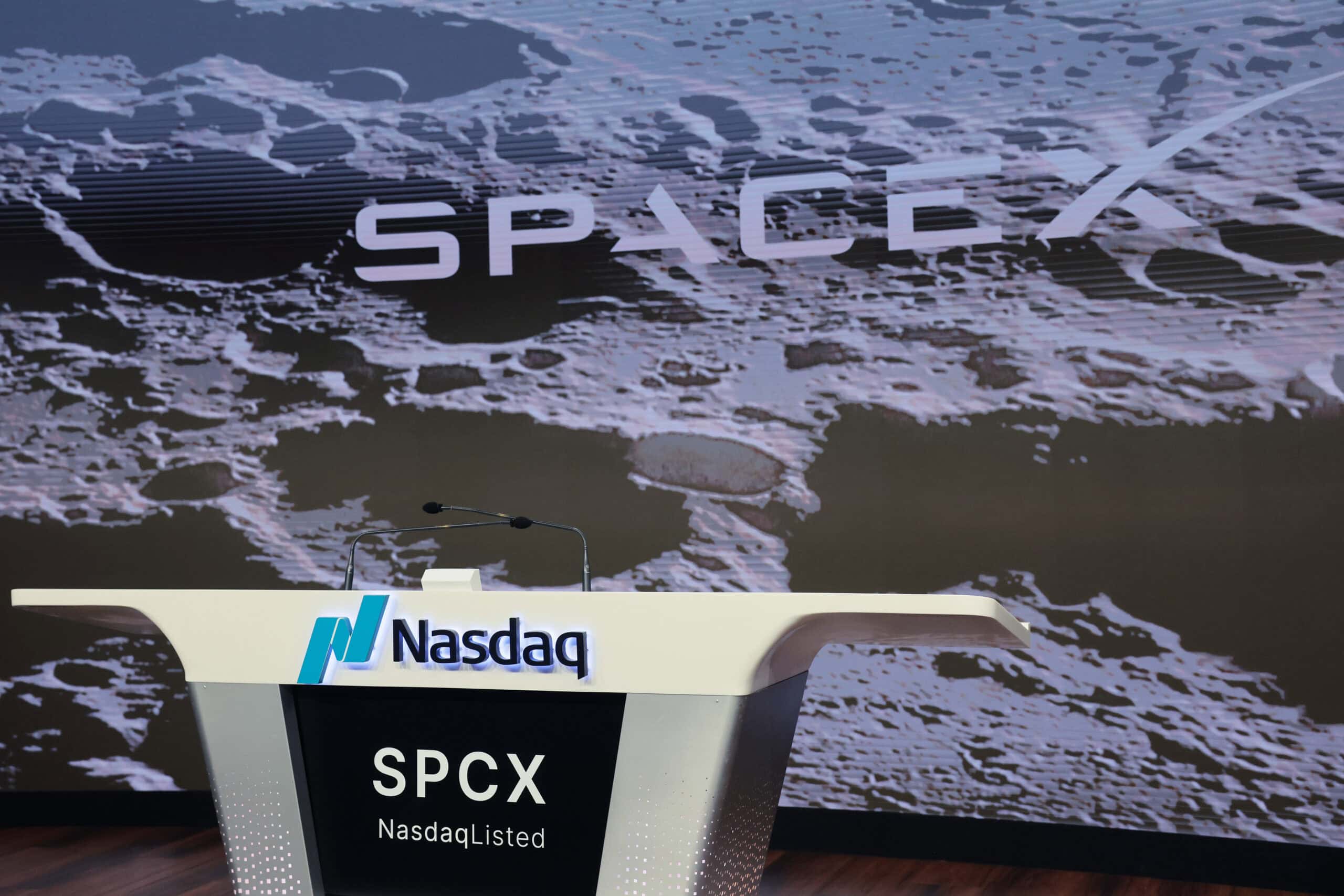
The SpaceX initial public offering on Nasdaq in June 2026 valued the company at approximately $1.77 trillion, making it the largest IPO in history and propelling Elon Musk’s net worth past $1 trillion. The move marks the latest milestone for a company that began as a small operation in a California warehouse and now stands as a dominant force in space transportation, satellite internet, and national security contracting.
SpaceX was founded in 2002 with the goal of reducing space travel costs through reusable rockets. Early years were marked by repeated failures of the Falcon 1 rocket and near-bankruptcy in 2008. Many experts at the time dismissed the idea of reusable orbital rockets as unrealistic. The company persevered, achieving the first privately funded spacecraft to reach orbit, dock with the International Space Station, and return to Earth. Later successes with Falcon 9 landings, Starlink’s global broadband network and Starship development expanded its reach into commercial, government and defense markets.
The IPO is expected to create roughly 4,400 new millionaires among SpaceX employees through vested stock options. Many of these individuals joined the company when its future was uncertain, and the benefits extend beyond executives to include engineers, technicians, support staff, and even some cafeteria workers. This broad distribution of wealth represents generational gains for employees who contributed during the company’s formative years.
Critics on the left have framed Musk’s rising wealth is incompatible with public needs. Mandela Barnes stated on Elon Musk’s X that “there’s no reason a trillionaire like Elon Musk should exist while school districts across Wisconsin are voting to raise their own taxes just to keep the lights on,” and called for taxing the rich. This view presents a false choice between private innovation and government services. SpaceX and similar companies generate economic activity, jobs, and tax revenue that support public budgets, while government-run programs constantly suffer from administrative bloat, poor fiscal decision-making, and rarely face punishment for failing to deliver results.
The public offering also expands wealth creation beyond company insiders. Investors in 401(k) plans, index funds, and mutual funds that include growth-oriented or technology stocks may benefit as SpaceX shares become available. Retail investors will gain direct access once trading begins, allowing broader participation in the company’s future performance. SpaceX stands as a significant achievement in innovation, technology, and human progress.
